How restaurant give-back nights work at major chains, what programs actually keep, and when a restaurant fundraiser is worth the effort.
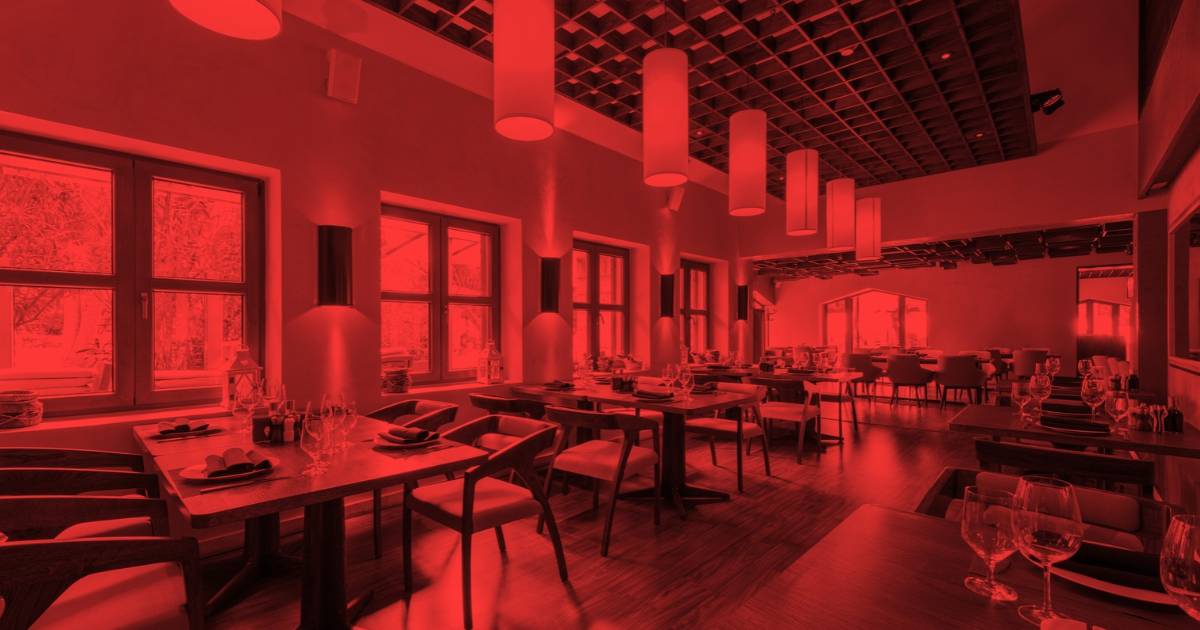
Restaurant fundraisers are popular because they ask very little of the team: pick a night, share a flyer, and a share of the sales comes back to the program. They are also easy for families to say yes to, since supporters were going to eat anyway.
The trade-off is the return. A program usually receives a percentage of what supporters spend, not the full amount. This guide explains how restaurant fundraisers work at five well-known chains, what each one says about its program, and when a give-back night makes sense for your team.
Program details below come from each company's own pages as of October 2026. Terms change, and many restaurants are locally owned franchises, so always confirm with your local location before you promote anything.
A restaurant fundraiser, often called a give-back night or spirit night, is an event where a restaurant donates a portion of sales from supporters who identify themselves as part of your group. Supporters usually show a flyer, mention the group at the register, or use a code when ordering online.
The other common model is a product fundraiser. Your group buys food items (such as doughnuts or cakes) at a discounted price and resells them to supporters at a markup, keeping the difference.
Either way, you will typically:
Chipotle runs a published fundraising program. According to Chipotle, your organization receives 25% of event sales from the night of your fundraiser. Event sales need to reach a $150 minimum to qualify.
Supporters count toward your total if they show a physical or digital flyer in the restaurant, tell the cashier they are there for the fundraiser before paying, or use your fundraiser's code for a pickup order through the Chipotle app or website. You apply through Chipotle's online fundraising application.
Example: $800 in qualifying sales means a $200 donation to your program.
Krispy Kreme fundraisers are product sales rather than give-back nights. Krispy Kreme lists three options on its U.S. fundraising page:
Krispy Kreme says groups can earn up to 50% of the profit for their cause on the classic options. It does not publish per-dozen pricing on the main page, so get current pricing and minimums from your local shop before setting a sale price.
The work to plan for: collecting orders and money, picking up and distributing perishable product on a set date, and following up with anyone who missed pickup. Digital Dozens removes most of the distribution work.
Chick-fil-A does not run a single national fundraising program. According to Chick-fil-A, donations and fundraisers are decided by the individual Operator of each restaurant. That means percentages, available dates, and how supporters participate vary by location.
To set one up, find your nearest restaurant on the Chick-fil-A website and contact the Operator directly. Ask what they offer, how sales are tracked, and how and when the donation is paid.
We could not find a published national fundraising program on Texas Roadhouse's site. Local restaurants do host community fundraisers, so the best approach is to contact the manager of your nearest Texas Roadhouse and ask what they offer, including the percentage, any minimums, and how supporters identify themselves.
Nothing Bundt Cakes uses a pre-sale product model. Your group pre-sells Bundtlets (individual cakes), places one fundraising order, and picks it up at the local bakery. Nothing Bundt Cakes says groups can earn up to $2 per Bundtlet sold, with exact pricing set by each bakery.
Details to plan around, per the company:
Restaurant nights are easy, but the program only receives a slice of what supporters spend. Here is a worked example using a 25% give-back rate. The numbers are hypothetical.
Forty families come out to a give-back night and spend an average of $30 each.
Now suppose those same 40 families each gave $30 directly to the team's online campaign instead.
Same supporters, same dollars, more than three times the result. That is the core trade-off: a restaurant night gives families something they were going to buy anyway, while a donation puts nearly all of the money toward the program. For more on this comparison, see product sales vs. donation-based fundraising.
Restaurant fundraisers are not a bad idea. They are a good fit when:
They are a weaker fit when the program needs several thousand dollars, because the percentage model limits how much each supporter's spending can produce.
The problem: programs run several small fundraisers (a restaurant night, a product sale, a car wash) and end up with scattered totals, cash to reconcile, and no clear picture of what each one raised.
How HypeRaise addresses it: a single HypeRaise campaign gives every participant a personal link, takes donations, products, and merch in one place, and shows real-time totals for coaches and administrators. Restaurant nights can still happen. They just point supporters to one campaign instead of standing alone.
The result: one goal, one dashboard, and one record for the booster treasurer or athletic director. To see how that works across many programs, read about centralized campaigns vs. multiple small fundraisers.
It varies by company and often by location. Chipotle publishes 25% of event sales with a $150 minimum. Many chains, including Chick-fil-A, leave the terms to the local owner or Operator. Always confirm the percentage, minimums, and what counts as a qualifying purchase before you promote the event.
Sometimes. Chipotle counts pickup orders placed through its app or website with your fundraiser code. Other restaurants only count in-person purchases where the supporter shows a flyer. Ask your local restaurant how online, drive-thru, and catering orders are handled.
Many restaurant programs work with schools, teams, and booster clubs, but requirements differ. Some ask for a tax ID or nonprofit documentation, and the check may need to be made out to the school or booster club. Check with your school's business office about where funds should be deposited.
Plan on at least three to four weeks so you have time to get approved and promote the night. Popular locations book up, especially during the school year. Product fundraisers like Nothing Bundt Cakes also have order deadlines before the event.
Planning your next fundraiser and want more than a percentage back? Talk with a HypeRep about running one campaign that combines donations, products, and merch.
School and youth programs that completed fundraising campaigns with HypeRaise.
Marching band program

JROTC program
Middle school cheer program

Career exploration program
HypeRaise gives coaches, boosters and parent volunteers the tools to run a centralized, transparent, and effective campaign.
Get Started